Prevent Pests: Effective Spider Spray Strategies for Homes
- jessechamberlin
- Dec 15, 2025
- 3 min read
Spiders can be a common sight in many homes, often causing unease among residents. While they play a beneficial role in controlling other pests, their presence can be unsettling. If you're looking for effective strategies to keep spiders at bay, this guide will provide you with practical solutions, including the use of spider sprays.
Understanding the Spider Problem
Before diving into solutions, it's essential to understand why spiders invade our homes. Spiders typically enter homes in search of food, shelter, and moisture. They are attracted to areas where they can find insects to prey on, making kitchens and basements prime targets.
Common Types of Spiders in Homes
House Spider: Often found in corners and undisturbed areas, these spiders are harmless but can multiply quickly.
Wolf Spider: Larger and more aggressive, wolf spiders can bite if threatened, though their bites are not dangerous.
Black Widow: Recognizable by their glossy black bodies and red hourglass markings, black widows are venomous and should be handled with caution.
Why Use Spider Spray?
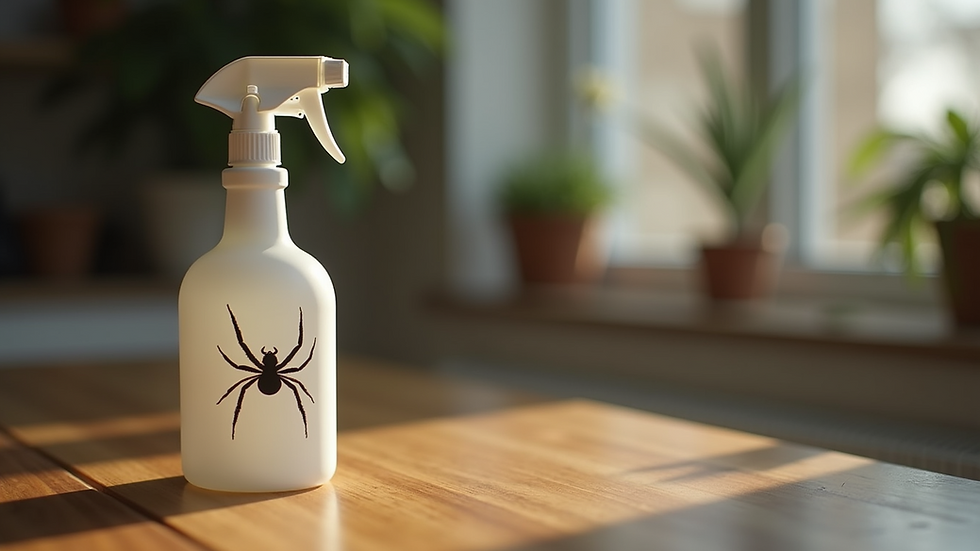
Spider sprays are a popular method for controlling spider populations. They are designed to kill spiders on contact and create a barrier that deters them from entering your home. Here are some benefits of using spider spray:
Immediate Results: Most sprays kill spiders on contact, providing instant relief.
Preventive Barrier: Many sprays leave a residue that continues to repel spiders for weeks.
Ease of Use: Spider sprays are typically easy to apply, making them accessible for homeowners.
Choosing the Right Spider Spray
When selecting a spider spray, consider the following factors:
Active Ingredients
Look for sprays that contain effective active ingredients such as:
Pyrethroids: Synthetic chemicals that mimic natural insecticides found in chrysanthemum flowers.
Neonicotinoids: These target the nervous system of insects, providing effective control.
Essential Oils: Natural options like peppermint or tea tree oil can repel spiders without harsh chemicals.
Safety Considerations
Always check the label for safety instructions, especially if you have pets or children. Opt for products labeled as safe for indoor use if you plan to spray inside your home.
Application Techniques
Applying spider spray effectively can make a significant difference in its efficacy. Here are some tips for optimal application:
Identify Problem Areas
Focus on areas where spiders are commonly found, such as:
Corners of rooms
Basements and attics
Behind furniture
Near windows and doors
Follow Instructions
Always read and follow the manufacturer's instructions for application. This includes:
The recommended distance to spray from the surface.
How much product to use in each area.
Safety precautions to take during application.
Regular Maintenance
To keep spiders at bay, make spider spray application a regular part of your cleaning routine. Consider spraying every few weeks, especially during peak spider seasons in spring and fall.
Natural Alternatives to Chemical Sprays
If you prefer a more natural approach, several alternatives can help deter spiders without harsh chemicals:
Essential Oil Sprays
Mix water with essential oils such as peppermint, lavender, or tea tree oil in a spray bottle. Spray this mixture in areas where spiders are likely to enter.
Vinegar Solution
A mixture of equal parts vinegar and water can be sprayed in corners and entry points. The strong smell of vinegar can deter spiders.
Diatomaceous Earth
Sprinkling food-grade diatomaceous earth in areas where spiders frequent can help. This natural powder is harmless to humans and pets but can kill spiders by dehydrating them.
Preventing Spider Infestations
While sprays can help control spider populations, prevention is key to keeping them out of your home. Here are some effective strategies:
Seal Entry Points
Inspect your home for cracks and gaps where spiders can enter. Use caulk to seal these openings, especially around windows, doors, and utility lines.
Keep a Clean Home
Regular cleaning can help reduce spider populations by removing their food sources. Focus on:
Vacuuming regularly, especially in corners and under furniture.
Keeping food stored in airtight containers.
Reducing clutter where spiders can hide.
Outdoor Maintenance
Maintaining your yard can also help prevent spiders from entering your home. Consider:
Trimming back shrubs and plants that are close to your home.
Keeping firewood stored away from the house.
Using outdoor spider sprays around the perimeter of your home.
When to Call a Professional
If you find that your spider problem persists despite your efforts, it may be time to call in a pest control professional. They can assess the situation and provide targeted treatments that are safe and effective.
Conclusion
Keeping spiders out of your home doesn't have to be a daunting task. By understanding their habits, using effective spider sprays, and implementing preventive measures, you can create a spider-free environment. Remember to choose the right products, apply them correctly, and maintain a clean and sealed home. With these strategies, you can enjoy your space without the worry of unwanted eight-legged guests.
Take action today to protect your home from spiders and enjoy a more comfortable living space!


Comments